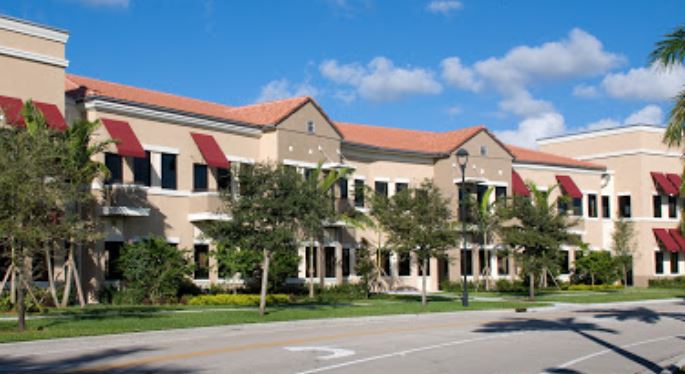
Comparing luxury treatment in Florida
This selection focuses on Florida and the treatment providers assigned to that location in this edition. The United States has a large range of private treatment providers, including small residences, specialist psychiatric programs and multi-campus networks. Choose a specific facility and level of care before comparing promises made at network level. State licensing, clinical credentials, room arrangements and the address where treatment takes place matter more than a national brand name. Insurance participation, benefits and prior authorization need a separate check; an insurer appearing on a website does not guarantee reimbursement for a particular admission.
There are 9 centers in this selection. Rankings retain the same global evidence basis across locations and conditions, so the score has a consistent meaning as you explore. A provider’s inclusion is not a personal recommendation or a prediction about recovery. Read the profile, follow the sources and ask the receiving clinical team to explain how its program applies to the individual situation.
Providers to examine in this selection
Beachway Therapy Center
Explore the full Beachway Therapy Center profile. Florida, United States, West Palm Beach. Beachway Therapy Center’s main campus is in West Palm Beach, Florida, and serves adults aged 18 and older with substance-use, mental-health and co-occurring conditions. Beachway also operates a separate outpatient location near Princeton, New Jersey..
The profile brings together the program description, published sources and a criterion-by-criterion account of the public-information review. Its index is 90 out of 100, with clinical team among the information located in the sample. Review the provider’s specific clinical scope before treating it as a fit for this selection. The fee panel states Current written proposal required Follow the sources and ask admissions to confirm the receiving team, current availability and the practical arrangements for the proposed stay.
Futures Recovery Healthcare
Explore the full Futures Recovery Healthcare profile. Florida, United States, West Palm Beach. Futures Recovery Healthcare is a private behavioral-health campus at 701 Old Dixie Highway in Tequesta, Florida, serving adults aged 18 and older. It treats substance-use disorders, co-occurring conditions and primary mental-health conditions through several specialized programs on the same nine-acre gated campus..
The profile brings together the program description, published sources and a criterion-by-criterion account of the public-information review. Its index is 90 out of 100, with clinical team among the information located in the sample. Review the provider’s specific clinical scope before treating it as a fit for this selection. The fee panel states Current written proposal required Follow the sources and ask admissions to confirm the receiving team, current availability and the practical arrangements for the proposed stay.
Gulf Breeze Recovery
Explore the full Gulf Breeze Recovery profile. Florida, United States. Gulf Breeze Recovery provides residential and outpatient addiction treatment at 350 Pensacola Beach Road, Gulf Breeze, Florida. The provider describes a holistic, non-12-step model for substance-use disorders and co-occurring mental health conditions..
The profile brings together the program description, published sources and a criterion-by-criterion account of the public-information review. Its index is 90 out of 100, with clinical team among the information located in the sample. Review the provider’s specific clinical scope before treating it as a fit for this selection. The fee panel states Current written proposal required Follow the sources and ask admissions to confirm the receiving team, current availability and the practical arrangements for the proposed stay.
Headwaters at Hanley Center
Explore the full Headwaters at Hanley Center profile. Florida, United States, West Palm Beach. Headwaters at Hanley Center is an eight-suite, private residential program in West Palm Beach for high-net-worth individuals, executives, professionals and people in public-facing roles. It treats substance use disorders and co-occurring mental-health conditions within a secluded area of the Hanley Center campus at 933 45th Street..
The profile brings together the program description, published sources and a criterion-by-criterion account of the public-information review. Its index is 85 out of 100, with clinical team among the information located in the sample. Review the provider’s specific clinical scope before treating it as a fit for this selection. The fee panel states Current written proposal required Follow the sources and ask admissions to confirm the receiving team, current availability and the practical arrangements for the proposed stay.
Tikvah Lake Recovery
Explore the full Tikvah Lake Recovery profile. Florida, United States. Tikvah Lake Recovery is a residential treatment program in Sebring, Florida, for substance-use, co-occurring mental-health and selected behavioral concerns. The provider describes a small, private setting with individualized clinical and holistic support..
The profile brings together the program description, published sources and a criterion-by-criterion account of the public-information review. Its index is 85 out of 100, with assessment among the information located in the sample. Review the provider’s specific clinical scope before treating it as a fit for this selection. The fee panel states Current written proposal required Follow the sources and ask admissions to confirm the receiving team, current availability and the practical arrangements for the proposed stay.
Begin with the exact program
Start with the name and address of the receiving service. A provider can operate several campuses, and a network website can describe a wider range of care than one residence delivers. Ask admissions to identify the program that would receive the person, its age criteria and its clinical purpose. Keep this answer beside every other quote so the comparison remains consistent. A private room in a clinical community, a residence reserved for one client and a hospital bedroom create different daily experiences. None of those descriptions establishes clinical suitability by itself. The treatment plan, staffing and admission criteria should explain the choice of setting.
Understand the clinical team
Ask who would be responsible for assessment, day-to-day treatment and any prescribing. Professional titles should connect to identifiable people and the relevant local registrations. Clarify how often the person would see each discipline and how the team reviews the plan together. A broad promise of multidisciplinary care is more useful when accompanied by a proposed schedule and an explanation of who coordinates it. Separate hospitality and personal support from clinical nursing or medical cover. A personal manager, driver or residential companion can provide valuable practical help while having a different role from a regulated healthcare professional.
Compare an ordinary week
Request an illustrative weekly schedule and ask how it changes after assessment. Distinguish individual psychotherapy, medical reviews, group sessions, exercise, complementary activities and unstructured time. A large advertised number of weekly activities is difficult to interpret without their duration, purpose and professional oversight. Ask whether the timetable is a sample, a minimum commitment or an individualized proposal. If working during treatment is important, discuss the practical and clinical boundaries in advance. The useful question is whether the schedule supports the agreed goals, rather than whether it is simply full.
Make the medical pathway explicit
Before travel, the receiving team should explain the information it needs to decide suitability. Ask where any required medical assessment or stabilization would occur and whether those services are part of the same provider. Clarify overnight arrangements, urgent escalation and the role of an external hospital. A service may responsibly decline an admission or recommend a different level of care. That boundary is useful information. Avoid treating a long list of conditions on a website as proof that a residence can safely manage every presentation or combination of needs.
Read the full financial proposal
Compare the same currency, time period and accommodation model. A daily fee, weekly residential amount and total program price cannot be compared directly without a common basis. Ask which clinical sessions, assessments, medications, external consultations, transport and companion arrangements are included. Confirm the total initial commitment and the rules for extending, postponing or leaving a program early. If insurance is relevant, obtain a separate response from the insurer about the specific provider and proposed admission. Published fees are useful context, but the signed proposal and applicable payment terms define the actual arrangement.
Treat privacy as a practical arrangement
Ask about bedrooms, shared spaces, access to the residence and the way health information is handled. Privacy also involves communication: who receives updates, how family participation is agreed and what information is sent to an insurer or referring clinician. A secluded property does not answer those questions. Clarify whether treatment and activities are individual or shared, even when accommodation is described as private. For a client with public responsibilities, discuss the practical requirements with the provider without assuming that its standard policy covers every security or confidentiality need.
Plan for the return home
Discuss the transition before admission. A useful continuation plan identifies the next clinicians, recommended frequency of contact, practical arrangements and the person coordinating the handoff. Ask which follow-up services are included in the residential fee and which are separately charged. Remote care can depend on the professional and the jurisdiction where the client is located. A program advertising international aftercare should explain what can actually be delivered in the intended home country. With consent, the existing care team can help test whether the proposed transition is realistic.
Use the index as a research starting point
The public-information index summarizes twenty documentation signals across ten criteria. It describes information located in sampled provider pages. It does not measure safety, recovery rates, therapeutic effectiveness or the probability of a successful stay. Missing information can reflect the pages sampled or how a website is organized; it does not establish that a service is absent. Equal scores share a global rank. When reviewing a location or condition, keep the underlying profile in view and follow its sources. The methodological explanation is available on the dedicated scoring page.
Ask for clear answers in writing
A focused shortlist is more useful than a long collection of brochures. Send each provider the same practical questions and ask for a response tied to the specific receiving program. Record the date of the answer because teams, availability, fees and service arrangements can change. If a point remains uncertain, retain it as an open question rather than filling the gap with an assumption. The directory gives a structured starting point for that conversation. The decision about care should connect the person’s assessed needs, preferences and support network with a provider that can explain its actual capabilities.
Keep the person at the center of the choice
A directory can make complex information easier to compare, but a person’s priorities will not fit into one score. Discuss language, age group, cultural preferences, accessibility, family involvement and comfort with individual or group work. Consider the practical distance from trusted clinicians and the people who will support the return home. Explain these preferences during assessment so the provider can say what it can accommodate. Revisit the shortlist if the clinical picture changes. A well-matched plan can involve a different provider or level of care from the one first imagined.
Frequently asked questions
Does a higher score mean better treatment?
No. The index is limited to the documentation located in the research sample. A provider can publish a substantial amount of information without proving better outcomes. Another provider may describe its services less clearly while offering an appropriate program. Use the score to organize further questions, then examine the named team, the receiving facility, the clinical assessment and the written proposal. Personal suitability remains a separate question.
Can I compare residential and outpatient programs directly?
They can be compared as possible options after assessment, but their structures are different. A residential fee commonly includes an accommodation arrangement and day-to-day support that an outpatient service does not provide. An outpatient program may preserve links with home and work, while a residential stay may offer distance and a more contained schedule. Ask a qualified clinician to explain the level of care needed before treating cost or location as the deciding factor.
What should I confirm before paying a deposit?
Confirm the receiving provider and residence, the intended level of care, the initial duration, the professionals involved and the total fee. Read the payment, cancellation, postponement and early-departure terms. Identify external services that could add charges. Agree how clinical suitability is determined and what happens if the provider recommends another setting after reviewing records. Keep the final proposal and the terms together so the responsibilities are clear to everyone involved.
How current are the profiles?
Each profile identifies sources and the dates of the checks represented there. A source check records what was available for review; it cannot guarantee that every operational detail remains unchanged. Providers can alter staffing, availability, programs, pricing and locations. Ask admissions to confirm current information for the proposed admission. If a source link fails or a material detail appears incorrect, use the corrections page to identify the profile and the specific point that needs review.
Take the next step with a clearer shortlist
Use the global directory to compare other locations and conditions, or read the scoring methodology to understand the index. The editorial policy explains how provider statements, research dates and corrections are handled. Take specific questions to the providers and retain the answers alongside the proposed plan. The most useful result of a ranking is a better informed conversation about an appropriate next step.
 WORLD RANK #9