How to read this profile
Priory Life Works House is included in this edition for readers comparing private addiction and mental health care. Its program model is described as Priory Life Works House is a 17-bed residential addiction service in Old Woking, Surrey. It delivers Priory’s therapy-led Flourish program in a non-medical environment for people who do not need medical detox or ongoing medical care. The location and clinical scope should be considered together: a provider can have assessment, residential and continuation services with different arrangements. The practical question is whether the specific program proposed for the person matches their assessed needs, preferences and available support.
The public-information review located material across 3 provider pages. The most fully documented areas in this sample were clinical team, assessment, therapies, medical pathways, condition clarity, continuity of care, practical information, cost transparency, accountability. Topics to clarify directly include privacy and setting. The score records documentation coverage and does not establish treatment effectiveness, safety or a guaranteed outcome. A topic that was not located may be explained by the provider in material outside this sample.
Before making an admission decision
Request the name of the receiving service, the proposed residence or hospital, and the professionals responsible for assessment and treatment. Ask for an illustrative weekly schedule that distinguishes individual clinical work from group sessions, complementary activities and practical support. Discuss the care available outside scheduled sessions and the arrangements for medical assessment or escalation. Where another hospital or independent clinician is involved, confirm that relationship and its cost rather than assuming it forms part of the residential package.
A financial comparison should use the same time period and accommodation model. The fee panel presents available public information as context; a current written proposal should identify the initial duration, the agreed team, inclusions, exclusions and payment terms. Confirm whether a private residence is reserved for one client or whether only the bedroom is private. Ask separately about companions, external appointments, transport and any extension of the stay. These details affect the practical experience and the full commitment.
Discuss the plan for returning home at the beginning of the conversation. Identify the clinician or coordinator responsible for the transition, the follow-up included in the fee and any services that require a separate arrangement. With consent, involve the professionals who already know the person. Remote or international follow-up depends on professional permissions and availability in the country where care is received. A directory profile is a starting point for that coordinated conversation, and provider details should be confirmed before travel or payment.
Provider overview
Priory Life Works House is a 17-bed residential addiction service in Old Woking, Surrey. It delivers Priory’s therapy-led Flourish program in a non-medical environment for people who do not need medical detox or ongoing medical care.
Treatment and services
Flourish combines structured group and one-to-one therapy, psychoeducation, peer support, practical recovery skills and family involvement. It supports substance addictions and behavioral addictions including gambling, gaming, shopping, internet, sex and work. People who need detox may complete it at nearby Priory Hospital Woking before transferring. Family support includes weekly groups; the website describes an additional one-day program for stays of at least 28 days, while its linked overview describes two days, so confirm the current arrangement.
Admissions, duration and payment
Treatment starts with a minimum 14-day Stage 1 stay; later stages are tailored to the person’s needs. The official page publishes £495 per night and £6,930 for 14 days. Its website says 12 months of free online aftercare follows at least 14 days, while the linked overview specifies 28 days; confirm eligibility before booking. Priory lists 0330 056 6041 for treatment inquiries. Confirm total cost, any pre-transfer detox, insurance and tax treatment in writing.
A small residential setting with a defined medical boundary
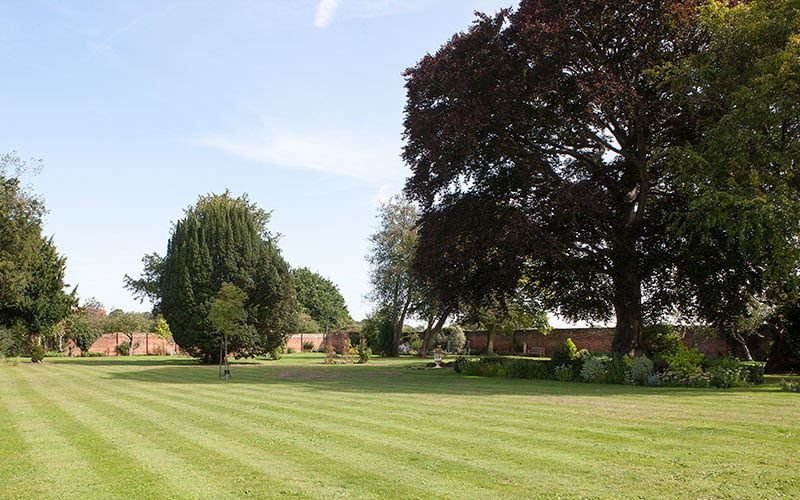
The Life Works location page describes a Georgian house in Old Woking with 17 beds, private bedrooms, shared living spaces, a library, meals and a basic gym. Its small scale may matter to someone comparing communal residential programs, although room availability and accessibility need individual confirmation. The defining clinical distinction is its nonmedical setting. A comfortable bedroom does not establish the staffing needed for withdrawal management or an unstable physical condition. Admissions should confirm that the person’s current medical needs fit this house before arranging arrival, including any assessment or treatment required at a separate service.
How the Flourish stages change the work of treatment
Priory’s Flourish program description separates initial understanding from rebuilding relationships and preparing to return home. Stage One has a minimum 14-day stay. Later stages are tailored, rather than an automatic extension to a fixed number of weeks. The program describes a non-12-step approach centered on choice and harm reduction, while making mutual-help meetings available to people who want them. Someone with a previous experience of abstinence-oriented or 12-step treatment should discuss these differences before assuming the format will be identical.
The stages also provide a practical way to assess a proposed extension. The team should be able to explain what additional therapeutic work, supported leave or reintegration planning would take place, how progress will be reviewed, and what can continue after discharge. A longer booking is a financial and clinical decision; the published stages do not establish that everyone needs every stage.
The balance between group work and individual sessions
The Flourish information leaflet describes daily group therapy, individual therapy twice weekly, psychoeducation and therapeutic outings. Its topics include emotional regulation, understanding addictive behavior and rebuilding practical coping skills. This is a participatory program: substantial time is spent with other residents, alongside opportunities to discuss personal concerns individually. Prospective residents can request an example timetable and discuss any hearing, sensory, language or concentration needs that affect participation.
The leaflet also presents later work on relationships and life outside treatment. It is useful to identify the situations that need rehearsal, such as returning to work, managing unstructured evenings or reconnecting with supportive people. These details help translate a list of therapeutic methods into an individual plan. Optional mutual-help involvement and leisure activities should be discussed in the context of that plan, without treating every listed activity as a separately guaranteed therapy session.
Detox at Priory Hospital Woking is a separate admission
The nearby Priory Hospital Woking page lists medically assisted detox through Reset 7/10 alongside other inpatient and outpatient addiction programs. It describes hospital medical and nursing support. Those resources belong to the hospital service and should not be attributed to every Life Works resident or to the house itself. A proposed transfer between the two settings requires confirmation of clinical suitability, admission dates and responsibility for the handover.
Before booking, clarify which team will assess withdrawal risk, where any detox will take place and what information the receiving therapists need afterward. Confirm whether the quoted cost includes the hospital episode, transportation and any gap between admissions. The hospital’s other mental-health and neurodevelopmental services are also separate offerings, rather than automatic additions to Flourish. A person who needs medical stabilization first should have that need resolved through the appropriate clinical service before entering the nonmedical residential program.
Resolve the published family and aftercare differences
The currently linked Life Works overview specifies a two-day family program and a 28-day threshold for free aftercare. These details differ from the location page’s one-day family program and 14-day aftercare threshold. Both sources describe family support and continuing care, but they do not establish one consistent entitlement. Request written confirmation for the actual booking: the number of family days, who may participate, whether attendance is included, and the stay length required for aftercare. Include the aftercare start date and format in that confirmation so arrangements remain clear when the resident returns home.
What the initial addiction assessment can establish
Priory’s free addiction assessment offers a telephone conversation or an online assessment followed by contact from its team. The digital route is described as taking about 20–30 minutes, with working-hours review, while the telephone assessment typically takes 45–60 minutes. This is an opportunity to discuss substance use, previous treatment, withdrawal concerns, daily functioning and the support available at home. It does not itself establish a reserved Life Works bed or suitability for a particular stage.
Have an accurate medication list and relevant treatment history available. Explain any recent hospital care, physical limitations or symptoms that could affect participation in a nonmedical setting. The outcome may involve residential treatment, outpatient support or another assessment. Online assessment review is not an emergency response service; immediate danger or a medical emergency requires urgent local care rather than waiting for a routine admissions callback.
Build a quote around the actual Life Works booking
Priory’s addiction-treatment cost guide publishes prices for several different services and settings. A starting price for Flourish elsewhere in the network does not establish the cost of an individual Life Works booking. Likewise, a price for hospital detox or a blended day program is not a residential-house package. The written quote should identify the site, program, room arrangement, arrival date and number of nights.
Separate the initial commitment from optional extensions. Ask how an extra week is priced, when a decision is required, and what happens financially if medical needs change before or during the stay. The same discussion should cover any separate detox assessment or hospital admission. This makes the total more useful than comparing network headline prices that may include different levels of care, accommodation and follow-up.
Insurance authorization needs to match the service
Priory’s payment and funding guidance distinguishes self-payment from private medical insurance and explains that insurer authorization may be needed. Recognition of the Priory group does not, by itself, establish coverage for a particular Life Works stay. Benefits can depend on the diagnosis, policy terms, referral requirements and approved duration. Ask the insurer to confirm the named program and setting rather than relying on a general statement that Priory is covered.
Obtain the authorization reference, approved dates, any excess or patient contribution, and the process for seeking an extension. If different providers will handle detox and residential therapy, clarify whether each requires its own approval. Priory also describes publicly funded services elsewhere in its organization; that information should not be read as a publicly funded addiction bed at Life Works. Confirm who is responsible for every charge before committing to a privately arranged admission.
Recovery 360 is monitoring support with stated hours
The Recovery 360 description combines an app, alcohol breath testing and contact with a clinical team. It identifies weekday monitoring, rather than continuous emergency supervision. The tools can record cravings and goals and allow a chosen companion to see selected information, while clinical messages remain private. Anyone considering it should understand when staff review information, what happens after a missed or concerning test, and which decisions remain with their own treating clinician.
Priory describes included access after specified addiction programs and a separately purchased three-month option. Confirm eligibility following the particular Life Works alcohol-treatment plan, the period included and any extension charge. It should also be clear whether a companion is involved voluntarily and what they can view. Digital monitoring can support an agreed recovery plan, but it does not create overnight medical staffing or replace urgent help when someone is acutely unwell.
Make the handover home specific enough to use
Priory’s aftercare guidance discusses maintaining support, recognizing difficult situations and using ongoing therapy or community resources. For a Life Works resident, the practical task is to turn that general approach into appointments, names and a schedule. Before leaving, identify who will manage any prescriptions, which therapist or group will provide ongoing contact, and how the person can seek help if the original plan becomes unsuitable.
A written plan can distinguish regular support from urgent assistance and explain what to do after a setback without assuming another residential stay is always necessary. Work commitments, travel distance, privacy at home and time zones may affect participation in online sessions. These details are worth resolving while the resident can still discuss them with the team. General network aftercare information should be read alongside the written Life Works eligibility confirmation, especially where the two published stay thresholds differ.
Agree on family involvement without assuming access
Priory’s family-support guidance describes conversations about treatment, support during admission and adjustment afterward. Participation is most useful when the resident and relatives understand its purpose. It may involve learning about recovery, discussing boundaries or planning practical help, rather than receiving unrestricted access to private therapy or taking responsibility for another adult’s decisions. Ask how the resident’s consent will be recorded and which information staff may share.
Families can also prepare for the period after discharge: who will help with transportation, what communication feels supportive, and how to respond if concerns arise. Where relationships are strained or contact would be unsafe, discuss a different support arrangement with the clinical team. The advertised family program is one component of treatment, not a requirement to reconcile every relationship. Confirm visiting arrangements and session participation directly, since general Priory family guidance covers multiple services with different schedules.
Provider sources reviewed October 19, 2026. The currently linked Life Works overview and Flourish leaflet were read in full. Family-program and aftercare discrepancies remain qualified; individual suitability, availability, coverage and costs require confirmation.
Explore treatment in the United Kingdom and alcohol-treatment options to compare setting and clinical support.
Sources and verification
Priory Life Works House official page and Priory addiction-treatment pricing, checked October 15, 2026. This is a provider-source summary, not an independent clinical assessment.
Questions for your first conversation
Which clinical question would the initial assessment answer? Who would lead the plan and how would progress be reviewed? Which services take place at the residence and which involve an external provider? What are the limits of the proposed program, and when would another level of care be recommended? Ask the provider to connect its answers to the person’s history and the actual receiving team. Keep a dated record of the response with the written proposal so that later changes can be discussed clearly.
Source evidence breakdown
The documentation index records which information was located in sampled provider pages. Each of the twenty signals earns five points when located. A missing signal means it was not found in that sample. It does not establish that a service is absent. This is a documentation index, and it cannot establish clinical quality, licensing status, or outcomes.
Located: Published clinical roles · Provider source
Located: Professional qualifications described · Provider source
Located: Assessment process described · Provider source
Located: Individual planning described · Provider source
Located: Named psychological therapies · Provider source
Located: Individual therapy described · Provider source
Located: Medical care described · Provider source
Located: Admission or treatment boundaries described · Provider source
Located: Mental health scope described · Provider source
Located: Addiction or co-occurring scope described · Provider source
Located: Aftercare described · Provider source
Located: Family or transition support described · Provider source
Not located: Private accommodation described
Located: Confidentiality described · Provider source
Located: Location or admissions contact available · Provider source
Located: Programme duration described · Provider source
Located: Numerical treatment fee published · Provider source
Located: Inclusions or payment terms described · Provider source
Located: Team information published · Provider source
Located: Registration or accreditation information published · Provider source
Continue your comparison
United Kingdom rankings Addiction rankings Alcohol Addiction rankings Behavioral Addictions rankings Drug Addiction rankings