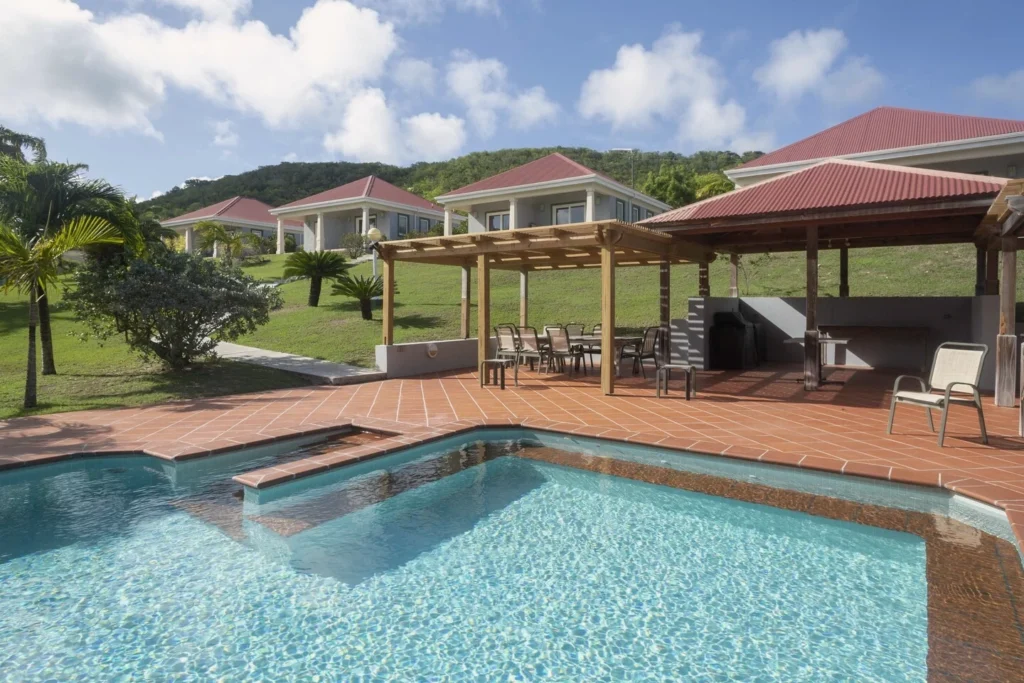
How to read this profile
Crossroads Centre Antigua is included in this edition for readers comparing private addiction and mental health care. Its program model is described as International residential addiction treatment with detoxification and family programming. The location and clinical scope should be considered together: a provider can have assessment, residential and continuation services with different arrangements. The practical question is whether the specific program proposed for the person matches their assessed needs, preferences and available support.
The public-information review located material across 3 provider pages. The most fully documented areas in this sample were assessment, therapies, medical pathways, condition clarity, continuity of care, practical information, accountability. Topics to clarify directly include clinical team, privacy and setting, cost transparency. The score records documentation coverage and does not establish treatment effectiveness, safety or a guaranteed outcome. A topic that was not located may be explained by the provider in material outside this sample.
Before making an admission decision
Request the name of the receiving service, the proposed residence or hospital, and the professionals responsible for assessment and treatment. Ask for an illustrative weekly schedule that distinguishes individual clinical work from group sessions, complementary activities and practical support. Discuss the care available outside scheduled sessions and the arrangements for medical assessment or escalation. Where another hospital or independent clinician is involved, confirm that relationship and its cost rather than assuming it forms part of the residential package.
A financial comparison should use the same time period and accommodation model. The fee panel presents available public information as context; a current written proposal should identify the initial duration, the agreed team, inclusions, exclusions and payment terms. Confirm whether a private residence is reserved for one client or whether only the bedroom is private. Ask separately about companions, external appointments, transport and any extension of the stay. These details affect the practical experience and the full commitment.
Discuss the plan for returning home at the beginning of the conversation. Identify the clinician or coordinator responsible for the transition, the follow-up included in the fee and any services that require a separate arrangement. With consent, involve the professionals who already know the person. Remote or international follow-up depends on professional permissions and availability in the country where care is received. A directory profile is a starting point for that coordinated conversation, and provider details should be confirmed before travel or payment.
Provider overview
Crossroads Centre Antigua is a residential addiction treatment provider on Antigua, founded by Eric Clapton and serving international clients.
Treatment and setting
Current services include medically managed detoxification, residential treatment and a five-day family therapy program. Detox generally requires 7 to 10 days. Residential care follows an abstinence-based 12-step model alongside CBT, DBT, motivational interviewing, EMDR, nutrition, fitness and individualized continuing-care planning.
Admissions and costs
The residential program page states that Crossroads does not generally take direct payment from insurers but assists clients with eligible reimbursement claims. A separate current provider page announces acceptance of Blue Cross Blue Shield insurance. Financial assistance may be available through the Crossroads Foundation. Confirm plan-specific billing, the full program fee, travel requirements and continuing care directly with admissions before booking.
Residential admission is based on clinical fit and readiness to travel
The residential program serves adults aged eighteen and older with substance dependence. Crossroads describes a thirty- to ninety-day course, with treatment plans reviewed every two weeks. Prospective clients need sufficient physical and psychiatric stability to participate in the program, including group treatment and daily activities.
The initial review can take place before travel. It considers medical, substance-use, psychological, nutritional, and other relevant needs so that the team can determine an appropriate admission. Crossroads describes continuous nursing, an on-site medical doctor, and psychiatric consultation through telemedicine. International clients also need the travel documents required for their journey. Arrival timing should be agreed with admissions, together with transport, the proposed initial length of stay, and any medical arrangements. The provider describes the residential fee as inclusive of treatment, accommodation, meals, family programming, ground transport, and continuing-care components. A current written proposal should identify the actual inclusions and any separate expenses for the planned course.
Detoxification includes medical review and nursing support
The detoxification service describes individualized withdrawal management before fuller participation in residential treatment. Crossroads publishes a typical period of seven to ten days, while noting that the process depends on the person’s needs. Nursing assessment begins at arrival, and the provider describes medical evaluation within the first twenty-four hours.
The medical team considers the person’s health, recent substance use, medication history, and symptoms when deciding the management plan. Psychiatric input is available through telemedicine. This is a distinct stage of care rather than a promise that everyone will join every therapy or fitness activity immediately. The transition to the broader schedule should follow clinical assessment. Before traveling to Antigua, admissions should have enough information to establish that the proposed setting is appropriate and explain any preparation agreed with the person’s existing clinician. The published duration is useful for understanding the general sequence, but the individual medical plan determines how stabilization and subsequent treatment proceed.
The treatment philosophy is explicitly based on abstinence and 12-step work
The Crossroads treatment philosophy centers on abstinence from alcohol and drugs, together with changes in daily life that support recovery. The provider identifies the 12-step model as the foundation of its approach and describes the individual and family as important participants in that process. Crossroads was founded by Eric Clapton and has operated since 1998.
This orientation is a practical consideration when choosing the program. Someone seeking a particular recovery model can discuss how 12-step participation is incorporated into treatment and how their own beliefs, preferences, or previous experiences will be addressed. The provider’s stated philosophy describes how the service is organized; it should not be interpreted as evidence that one approach guarantees success for every person. A useful admission discussion connects that philosophy with the actual therapeutic plan, the client’s goals, and the support that will remain available afterward. Understanding those expectations in advance can help a person assess whether the program feels workable and appropriate for them.
The published weekly schedule shows a structured community routine
The provider’s sample weekly schedule combines education, facilitated groups, recovery meetings, physical activity, meals, and periods for reflection or recreation. Educational topics include communication, boundaries, sponsorship, and family relationships. Other scheduled elements include yoga, experiential activities, community meetings, and medication times.
The linked document is an illustrative timetable, not a guarantee of the exact calendar during a future stay. Its value is showing the balance between group participation, practical routines, and time outside formal sessions. It also indicates that residential life involves shared responsibilities and a planned day rather than open-ended leisure. A prospective client can use it to discuss the pace of the program, accommodations for physical limitations, and how individual appointments fit around group work. The current timetable and any changes during detoxification should be confirmed with the team. That makes the expected daily experience clearer before committing to a residential stay away from home.
Family members can participate in their own five-day program
The family program lasts five days and is open to adult family members, including people whose relative is not currently a Crossroads client. Published activities combine education, group work, family counseling, and practical assignments. The aim described by the provider is to help relatives understand addiction’s effects on relationships and consider their own needs and responses.
Because the family program has its own format and registration requirements, participation should be arranged rather than assumed to follow automatically from a resident’s admission. Relatives can discuss the relevant dates, accommodation, and whether their involvement will overlap with the client’s treatment. Family work may include communication, boundaries, and planning for the period after treatment. It does not require every relative to have the same role or share the same information. Clarifying who is attending and what each person hopes to address can make the program more useful, particularly for families traveling from different countries or preparing for a resident’s return home.
The staff directory separates medical, therapy, and daily support roles
The Crossroads staff directory identifies a multidisciplinary team, including medical leadership, therapists, counselor aides, nutrition support, and physical activity practitioners. The published medical director is Sherry Yearwood, MD, MPH, and the directory lists Raju Mangrola, MD, as a psychiatry consultant. Claudine Knox is listed as clinical director.
These role descriptions help distinguish medical decisions, psychotherapy, and support with the daily program. The directory also names a dietitian and staff involved in fitness and yoga, alongside personnel responsible for extended care and program coordination. A listing establishes what the provider publishes about its team; the individual’s actual care arrangement still needs to identify the professionals who will be involved. Before admission, it is useful to establish who leads the treatment plan, how medical or psychiatric reviews are arranged, and who coordinates communication with family or outside clinicians when authorized. Those responsibilities matter more than assuming that every listed professional provides the same service to every resident.
Short renewal programs have a different purpose from initial residential care
The currently linked Crossroads brochure describes a seven-day Professional Renewal program and a five-day Recovery Renewal program alongside the main residential service. These shorter offerings are presented as opportunities for reflection, support, and renewed focus. The brochure also describes the separate five-day family program.
A short renewal visit should not be treated as an equivalent substitute for an assessed residential addiction admission or medically managed detoxification. The appropriate option depends on the person’s current stability, goals, and need for supervision. Someone considering a return visit or a professional renewal stay can ask which program is operating on the intended dates, who is eligible, and what sessions and accommodation are included. The brochure is useful for identifying those options, but the current written arrangement should establish the actual schedule and fee. Separating renewal, family support, and primary treatment makes it easier to understand the purpose of each visit and compare the proposed service with the person’s needs.
Alumni connections can continue across several regions
The alumni network describes connections in Antigua, the United Kingdom, the Netherlands, and several North American regions. It includes local or virtual meetings, peer contact, newsletters, and opportunities to reconnect with the recovery community. This international structure is relevant to residents who return to a country outside Antigua after treatment.
The page also contains material about past events, so an old event listing should not be interpreted as an upcoming commitment. Current meeting details and access arrangements need confirmation through the alumni team. Peer connection can sit alongside, rather than define, the individual’s clinical continuing-care plan. A resident may also need therapy, psychiatric review, medication management, or a further treatment service closer to home. Before departure, the practical plan should identify which contacts are already arranged, what the alumni network can provide in the person’s region, and who can help if circumstances change. This gives the international stay a clearer connection with everyday life after discharge.
The Blue Cross Blue Shield announcement requires plan-specific verification
The provider’s Blue Cross Blue Shield announcement says Crossroads now accepts that insurance and provides a route to check eligibility. It does not establish that every policy, country of coverage, treatment length, or service will be paid in full. The announcement should be read together with an individual benefits review.
The profile’s existing admissions summary notes a difference between this announcement and the residential page’s broader description of insurer payment and reimbursement. That difference is a reason to obtain a clear written explanation for the proposed admission. Confirm whether the arrangement involves direct billing, payment followed by a reimbursement claim, or a combination of covered and self-funded charges. The estimate should identify the insurer and policy reviewed, any authorization requirements, expected personal costs, and how an extension would be handled. For an international admission, those practical details should be settled before travel. The existence of an insurer’s name on a provider website is a starting point for that review, not an individual coverage decision.
Financial assistance is limited and assessed separately
The published financial assistance application states that the Crossroads Foundation offers limited support to qualifying applicants. The process requests a completed, signed application and supporting information about household income, assets, liabilities, and dependents. The form explains that incomplete applications are not considered.
This is a separate eligibility process, not an assurance that an available residential place will be subsidized. Applicants should first confirm that the linked form is the current version and ask admissions how to provide the required information through the appropriate channel. The published terms also require an agreement for approved assistance and state that an assisted client is not eligible for a refund after leaving before completion. Those conditions deserve clarification before acceptance, including the amount awarded, the remaining contribution, and what happens if the planned stay changes. A confirmed assistance decision and a complete cost estimate make it possible to assess affordability without assuming that a general reference to financial aid guarantees funding.
Source check: October 18, 2026, for the additional provider details above.
Source and verification
Sources: residential program, medically managed detoxification, Blue Cross Blue Shield information and official contact page, checked October 5, 2026. This summary reflects provider-published information and is not an independent clinical assessment. Confirm current suitability, availability and costs directly.
Questions for your first conversation
Which clinical question would the initial assessment answer? Who would lead the plan and how would progress be reviewed? Which services take place at the residence and which involve an external provider? What are the limits of the proposed program, and when would another level of care be recommended? Ask the provider to connect its answers to the person’s history and the actual receiving team. Keep a dated record of the response with the written proposal so that later changes can be discussed clearly.
Source evidence breakdown
The documentation index records which information was located in sampled provider pages. Each of the twenty signals earns five points when located. A missing signal means it was not found in that sample. It does not establish that a service is absent. This is a documentation index, and it cannot establish clinical quality, licensing status, or outcomes.
Located: Published clinical roles · Provider source
Not located: Professional qualifications described
Located: Assessment process described · Provider source
Located: Individual planning described · Provider source
Located: Named psychological therapies · Provider source
Located: Individual therapy described · Provider source
Located: Medical care described · Provider source
Located: Admission or treatment boundaries described · Provider source
Located: Mental health scope described · Provider source
Located: Addiction or co-occurring scope described · Provider source
Located: Aftercare described · Provider source
Located: Family or transition support described · Provider source
Not located: Private accommodation described
Located: Confidentiality described · Provider source
Located: Location or admissions contact available · Provider source
Located: Programme duration described · Provider source
Not located: Numerical treatment fee published
Located: Inclusions or payment terms described · Provider source
Located: Team information published · Provider source
Located: Registration or accreditation information published · Provider source
Continue your comparison
Addiction rankings Alcohol Addiction rankings Cocaine Addiction rankings Drug Addiction rankings Mental Health rankings Opioid Addiction rankings Trauma & PTSD rankings